




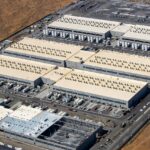
Japan’s AI infrastructure race just moved next door to the power plant. JERA, Dell Technologies and RHAELM have signed a memorandum of understanding for a planned AI data center in Chiba with up to 400 megawatts of power capacity and expected capital deployment exceeding $15 billion.
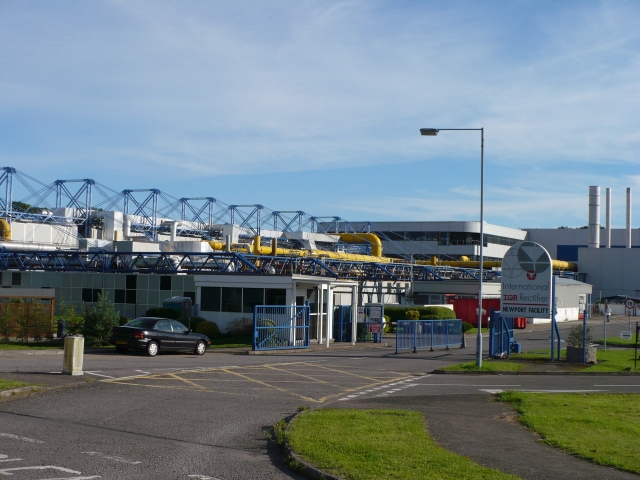
According to JERA’s announcement, the project is being developed at the Chiba Thermal Power Station and is designed to sit behind the meter of JERA’s operating generation asset. That architecture shortens the path between electricity generation and AI compute instead of waiting out the full timetable of a conventional grid-connected build. JERA says the Chiba project could become Japan’s largest single-site AI infrastructure deployment and one of the largest in Asia.
Who does what
The division of labor is clean:
- JERA, Japan’s largest power generator, provides the site and dedicated power from its thermal station.
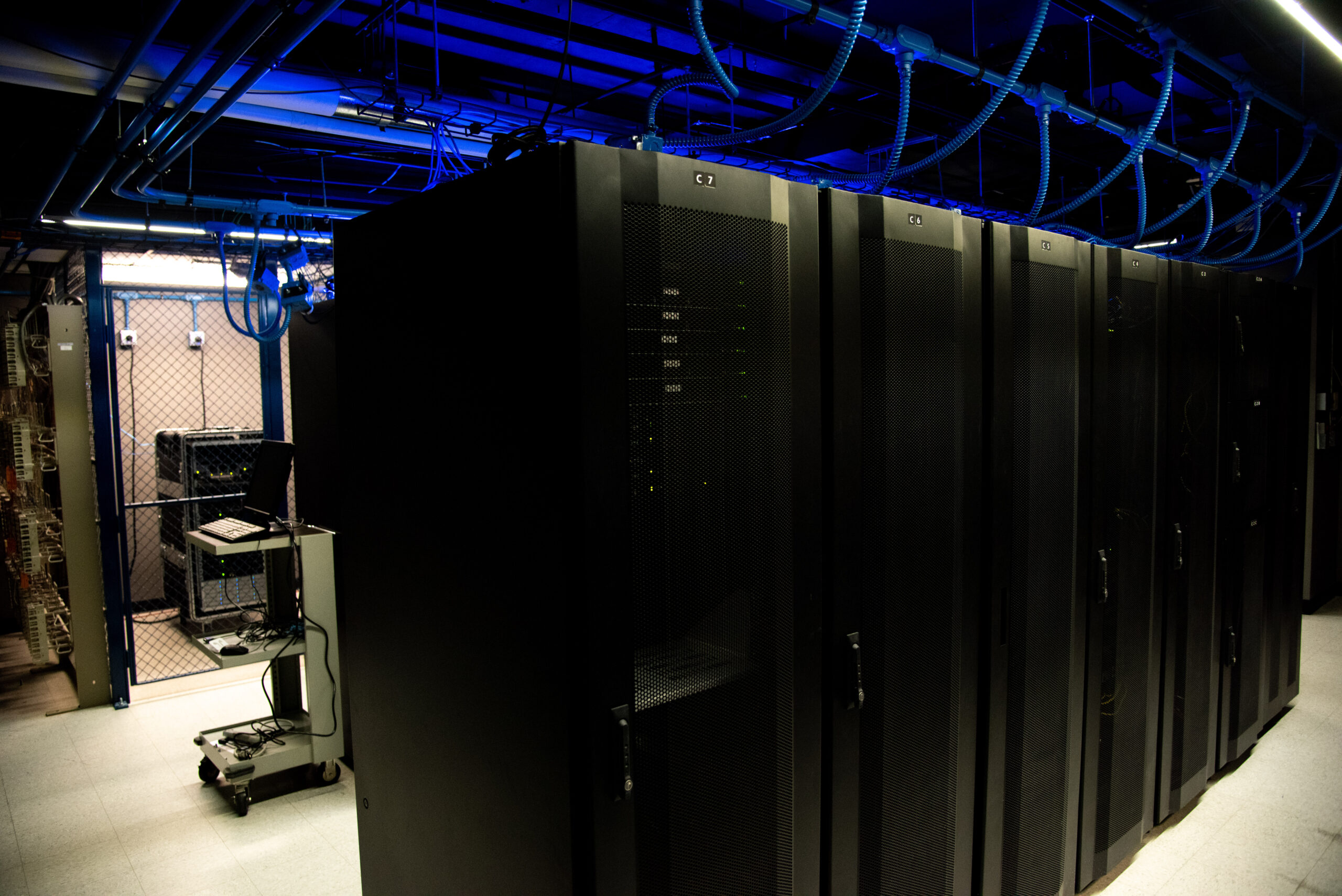
- Dell Technologies supplies standardized rack-scale AI infrastructure through its Dell AI Factory program.
- RHAELM leads project delivery.
- Apollo Global Management intends to participate as a strategic investment and financing partner for RHAELM.
The lineup tells you what the binding constraint on AI data centers has become. It isn’t GPUs — it’s power, and the time it takes to get a grid connection. By building directly adjacent to an operating thermal plant, the project sidesteps the interconnection queues that have become the longest pole in the tent for data center developers worldwide.
Why behind-the-meter is the story
A 400MW AI data center draws roughly as much electricity as a mid-sized city. In most markets, securing that much grid capacity means years of studies, upgrades and queue positions. Co-locating with generation — “behind the meter” — collapses that timeline and gives the operator direct control over one of its two biggest cost inputs, the other being the chips themselves.
The model is spreading. Across the US, developers are signing deals to build data centers next to nuclear plants, gas plants and dedicated generation of all kinds. What makes the Chiba project notable is the scale in a single site and the roster: a national utility, a top-tier server vendor and one of the world’s largest alternative asset managers, all aligned on one campus.
The financing angle
Apollo’s intended role is worth watching on its own. AI data centers have become an asset class that looks a lot like infrastructure — long-lived, contracted cash flows, enormous upfront capex — which is exactly what firms like Apollo know how to finance. The $15 billion-plus figure covers the full capital deployment, not a single check, but it signals how the funding model for AI compute is shifting from venture equity toward infrastructure-style project finance.
What could slow it down
An MOU is not a final investment decision. The project still needs detailed engineering, permitting, and — critically — customers to fill 400MW of capacity with long-term contracts. Japan’s AI demand is real but the market is still forming, and the developers will need anchor tenants before the full build proceeds.
There’s also the question the whole industry is dancing around: how much of the announced AI infrastructure pipeline is real demand, and how much is competitive positioning. A $15 billion headline buys attention; signed power-purchase and colocation agreements buy a data center. The Chiba project has the right ingredients — power, hardware, money — in a market that wants sovereign AI capacity. Now it needs the contracts. The same capacity scramble is playing out globally, from Oracle’s reported $7 billion AI cloud deal with Tencent to the debt markets now funding the buildout.
Japan’s sovereign AI push
The Chiba project doesn’t exist in a vacuum. Japan has been moving aggressively to secure domestic AI capacity, driven by the same logic motivating sovereign AI programs worldwide: the countries that host the compute shape the terms of the AI economy. A 400MW campus on Japanese soil, powered by Japanese generation, fits squarely into that strategy — capacity that can’t be switched off or repriced by a foreign provider.
For JERA, the deal is also a glimpse of where power companies see their future. Electricity demand in developed economies was flat for two decades; AI data centers have changed that in about three years. A generator that can offer AI developers firm, dedicated power — not a queue position, not a promise, but electrons from an operating plant — holds one of the scarcest inputs in the global economy. The behind-the-meter model turns that scarcity into a product.
The global behind-the-meter land grab
Chiba is part of a worldwide pattern. Across the US, developers are racing to co-locate data centers with large power plants of every kind, collapsing interconnection timelines from years to months. The logic is identical everywhere: the grid queue is the bottleneck, so bring your own electrons.
What varies is who finances it. The Chiba roster — utility, server vendor, project developer, alternative asset manager — previews how the next phase of the buildout gets funded. The numbers have outgrown venture capital: Alphabet reported capital expenditure of about $80.6 billion for just the first half of 2026, Oracle raised roughly $43 billion through senior notes in its 2026 fiscal year, and Reuters reported in early October that Broadcom was seeking as much as $50 billion while SpaceX planned a roughly $40 billion package for AI chips and infrastructure. AI infrastructure is now financed like infrastructure — with debt, project finance and institutional capital — because at this scale, nothing else fits.
What still has to go right
The ingredients are in place — power, hardware, money — in a market that wants sovereign AI capacity. What turns an MOU into a humming campus is less glamorous: anchor tenants on long-term contracts, transformers and cooling delivered on schedule, and demand that survives the cycle. A signed MOU buys an option on the future. Signed offtake agreements buy the data center.
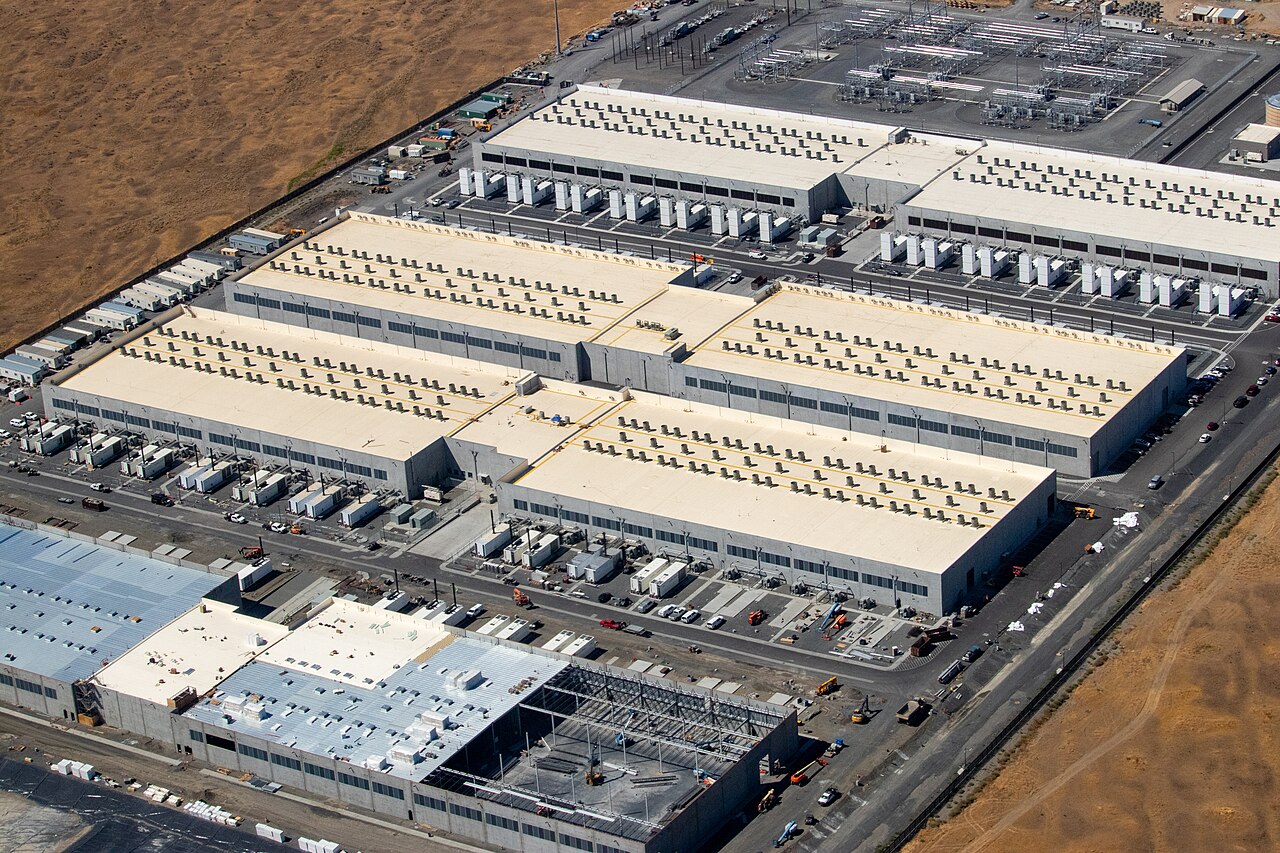
Featured image: Fogo Solutions via Wikimedia Commons (CC BY-SA 4.0)