







On August 13, in Santa Clara, LG Group chairman Kwang Mo Koo and NVIDIA CEO Jensen Huang signed a memorandum of understanding that puts LG firmly into the humanoid race. The centerpiece: LG will develop a next-generation bipedal humanoid robot built on NVIDIA’s Isaac GR00T — which NVIDIA describes as its open reasoning humanoid foundation model — with a public unveiling targeted for the first quarter of 2027.
An MoU is not a product, and Q1 2027 is not next week. But the pairing is notable for what each side brings. LG brings manufacturing depth, a global service footprint, and — critically — its own factories to serve as proving grounds. NVIDIA brings the full-stack robotics platform: foundation models, simulation, and the compute. In a humanoid market crowded with startups promising general-purpose robots “soon,” an industrial conglomerate with real deployment sites is a different kind of entrant.
The humanoid bet
The robot itself is still largely under wraps — no specs, no pricing, no footage beyond what you would expect at the MoU stage. What is public is the software foundation. Isaac GR00T is NVIDIA’s open model family for humanoid reasoning and control: vision-language-action (VLA) models that take in what the robot sees and produce what it should do. Building on an open foundation model rather than a proprietary stack is a meaningful choice — it lets LG tap the broader research ecosystem improving GR00T, including the open-source community working around it.
The Q1 2027 unveiling target gives LG roughly eighteen months from signature to stage. That is aggressive but not absurd for a company that already builds complex electromechanical products at scale — and it suggests much of the underlying platform work (locomotion, manipulation primitives, safety systems) is further along than a standing start would allow.
It is worth being clear-eyed about what “built on GR00T” means — and doesn’t. GR00T provides the reasoning and control foundation: the model’s ability to interpret scenes and instructions and produce actions. The robot around it — actuators, hands, balance, battery, safety certification — is LG’s problem, and it is the harder half. The history of humanoids is littered with beautiful demos atop fragile hardware. LG’s advantage, if it has one, is that it manufactures electromechanical products at global scale already; a humanoid is an extreme version of things LG knows how to build, not a leap into the unknown.
The rest of the MoU
The humanoid got the headlines, but the agreement is broader — and the non-headline parts may matter sooner:
- Logistics robots, already validated: LG plans to validate its CLOiD wheeled robots at LG Electronics’ washing-machine plant in Tennessee. This is the unglamorous, revenue-adjacent side of robotics: moving materials around factories that already exist.
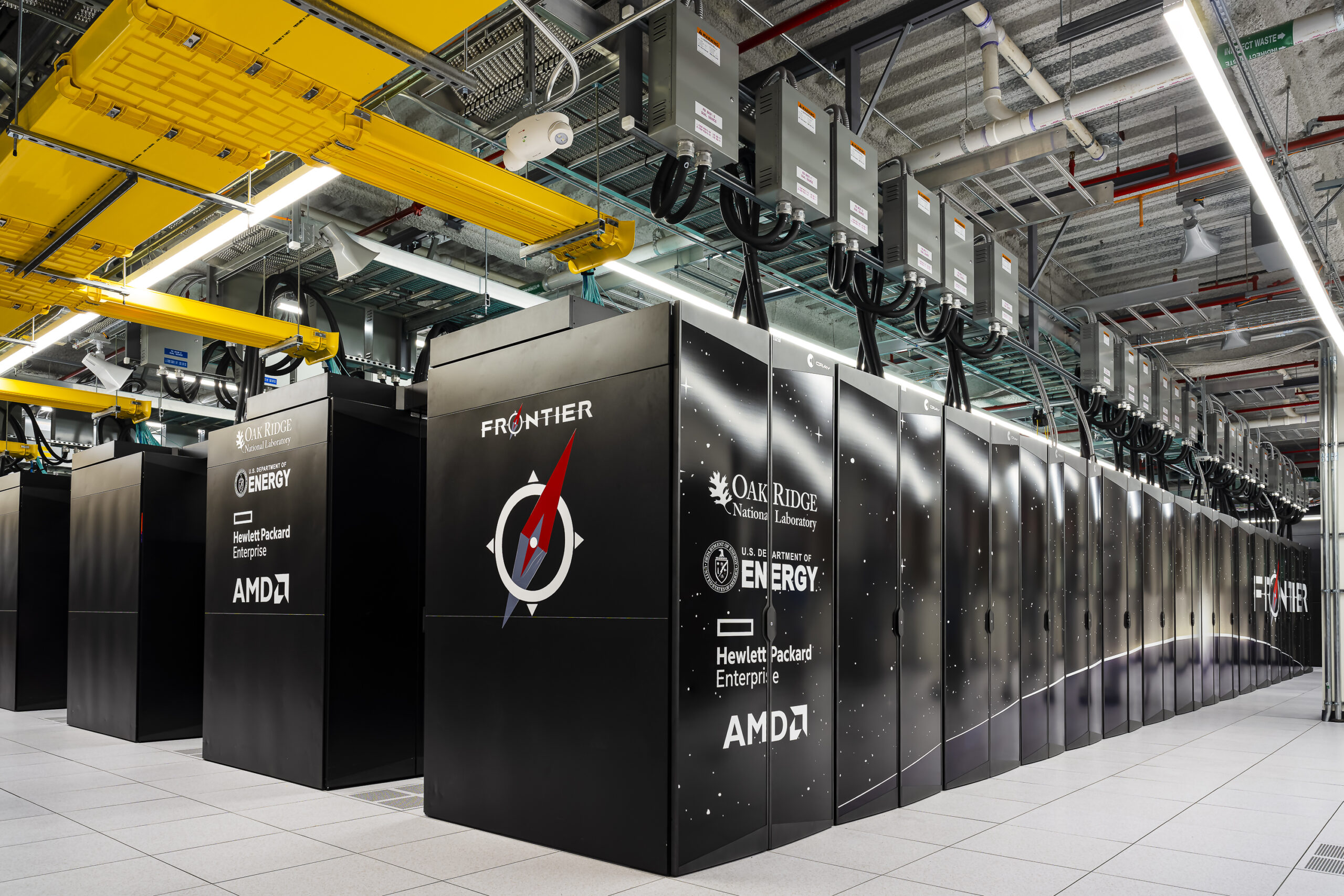
- AI factories: the two companies will develop AI factory reference sites combining NVIDIA’s DSX systems with Vera Rubin-generation hardware — essentially, blueprints for the GPU-dense datacenters that train and serve the models the robots run. (For a sense of how big this buildout is getting, see JERA, Dell and RHAELM’s $15B data center project in Chiba.)
- AI-defined vehicles: a vehicle platform built around NVIDIA’s DRIVE Hyperion architecture, extending the partnership into automotive.
Read together, the pattern is vertical integration: the robots, the factories that build and host them, the datacenters that train them, and the vehicles that extend the autonomy story. LG is not buying a robot demo; it is buying into NVIDIA’s physical-AI stack.
Note the sequencing implied here. The CLOiD logistics robots are the near-term track: validation runs are planned in a real, operating Tennessee factory — deployment-oriented work, not a demo stage. The AI factory reference sites and vehicle platform are development programs. The humanoid is eighteen months out. This is a sensible portfolio: near-term revenue and learning from wheeled robots, medium-term infrastructure, long-term optionality on bipeds. Whoever structured this MoU understands that humanoids are a call option you fund with boring businesses.
GR00T, in context
Some background on the foundation model at the center of this. GR00T 1.7, the open VLA release, was integrated into the LeRobot open-source ecosystem back in July 2026 alongside Isaac TeleOp tooling — meaning researchers can already experiment with the model family on standard hardware and collect their own demonstration data. NVIDIA has described training on tens of thousands of hours of human demonstration data plus simulation (its published materials cite 20,000+ hours of human egocentric video), with a Cosmos-Reason2-2B backbone, and a Cosmos 3 world model on the roadmap.
That context matters because it defines what LG is actually betting on: not a single model checkpoint, but a fast-moving open platform where the “eyes” of the robot — the vision-language understanding — keep improving. The science of how vision-language models actually fuse what they see with what they read is still being worked out; recent research on causal information flow in multimodal models shows just how subtle that fusion is. LG’s timeline bets that this moving target moves in a helpful direction.
What to watch
MoUs in robotics have a long and mixed history, so the rational stance is interested skepticism. The signals to track: whether LG shows real hardware (not renders) well before Q1 2027, whether the Tennessee CLOiD deployments expand (boring logistics robots are the credibility foundation for exciting humanoid claims), and whether GR00T’s open ecosystem keeps its momentum. If all three trend positive, LG goes from electronics giant to legitimate humanoid contender. If not, it joins the long list of companies with an impressive signing photo and not much else.
One underappreciated variable: the open-source ecosystem around GR00T. Because the foundation is open and integrated with LeRobot, university labs and startups are already building on it — which means LG inherits improvements it didn’t pay for, from teleoperation techniques to new manipulation skills. That is the bet underneath the bet: that open physical-AI compounds faster than any single company’s closed stack. If that holds, LG’s timing — entering as the open ecosystem matures — looks shrewd rather than late. The same compounding is visible in language models: Ornith-1.5’s MIT-licensed, self-improving training loop is an open-weights experiment that only gets cheaper to build on.
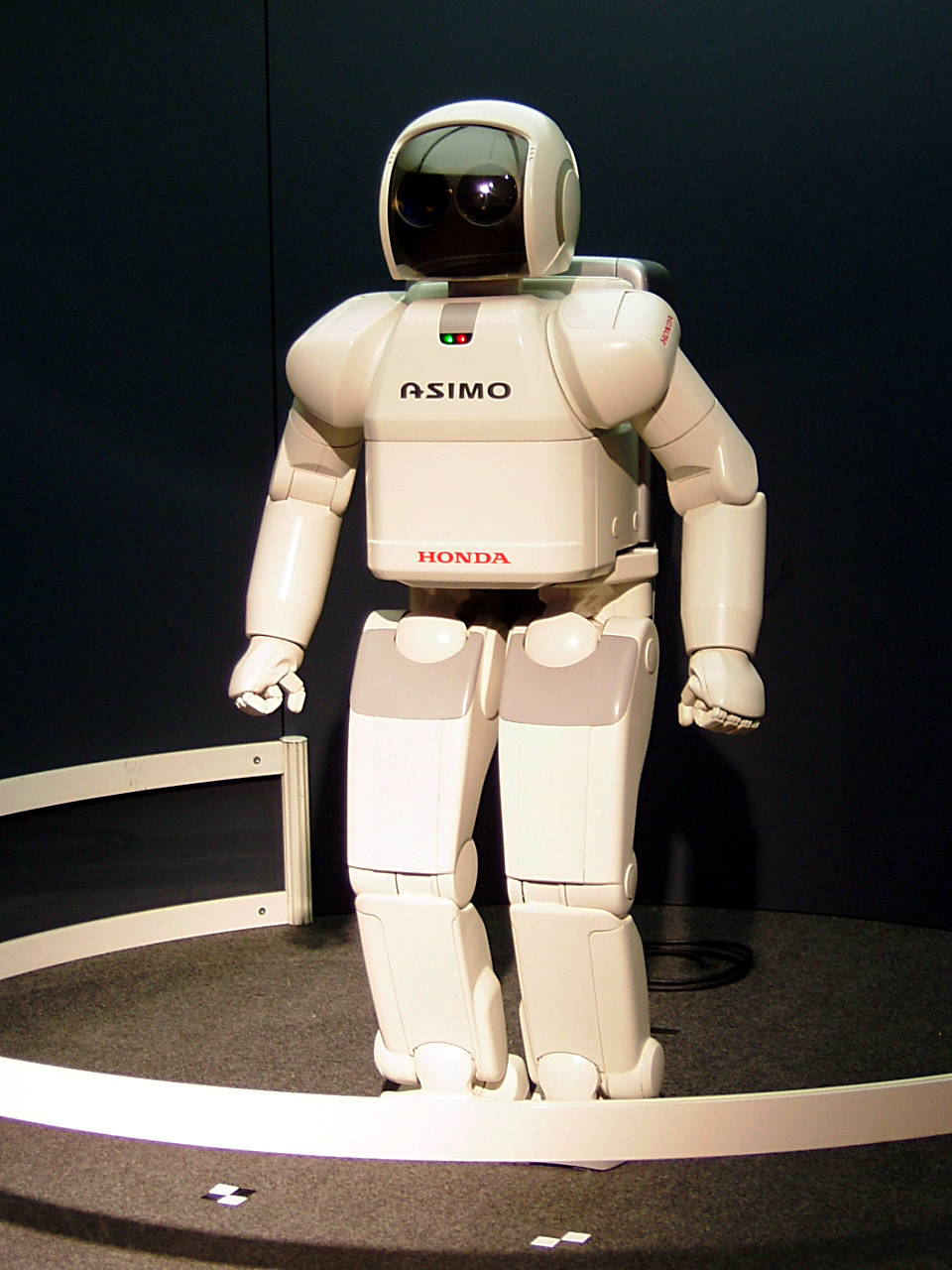
Featured image: Honda’s ASIMO humanoid robot (Gnsin, via Wikimedia Commons — CC BY-SA 3.0).